Iot Sim Card Pricing Everything about IoT SIMs
The landscape of Internet of Things (IoT) connectivity has grown more and more complex, making the selection of communication technologies critical for builders and businesses. Two prominent solutions on this subject are Wi-Fi and Low Power Wide Area Networks (LPWAN). Both technologies serve the aim of connecting gadgets, however they cater to totally different use instances, offering distinctive advantages and limitations.
Wi-Fi is ubiquitous, present in houses, workplaces, and public spaces. It offers high information throughput, allowing units to speak effectively. This makes Wi-Fi suitable for functions that require real-time information transmission, similar to video streaming or online gaming. The high bandwidth of Wi-Fi permits seamless connectivity for quite a few units within shut vary, making certain quick and reliable entry to the internet.
However, the dependence on proximity could be a significant drawback. Wi-Fi usually requires devices to be within a restricted vary of a router or entry point. As a outcome, it may not be best for applications needing long-range connectivity, corresponding to agricultural sensors unfold across huge fields. Moreover, Wi-Fi networks usually require considerable power, making them much less suitable for battery-operated devices, that are prevalent in IoT purposes.
On the other hand, LPWAN technologies like LoRaWAN and Sigfox are designed to connect units over longer distances whereas consuming minimal energy. These networks can transmit information over a quantity of kilometers, making them advantageous for rural and distant functions. LPWAN is particularly efficient in situations where intermittent knowledge transmission is sufficient and extended battery life is prioritized.
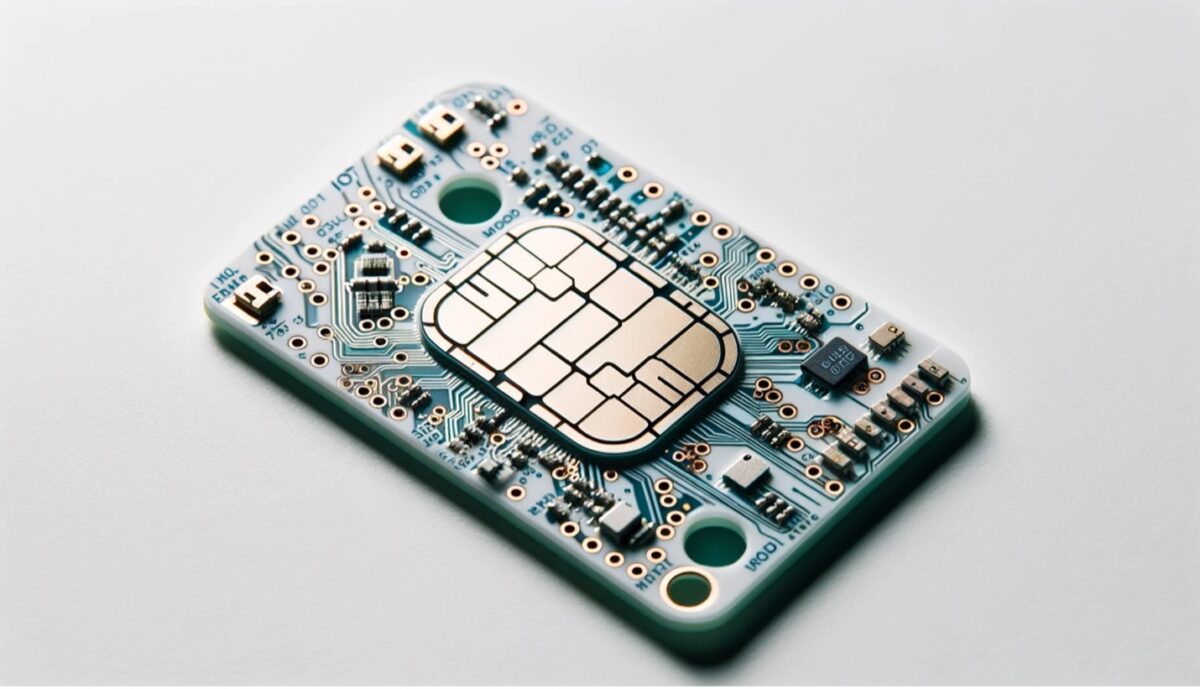
Iot Sim Card Pricing Global IoT connectivity data plans SIM
Low power consumption is considered one of the foremost advantages of LPWAN. Devices deployed in hard-to-reach areas or those that must function over several years with out battery substitute profit greatly from this efficiency. This benefit makes LPWAN a most popular choice for applications corresponding to smart agriculture, environmental monitoring, and asset monitoring.
Wi-Fi's larger information price contributes to its widespread adoption in various eventualities. For purposes requiring substantial bandwidth, corresponding to video surveillance, Wi-Fi proves to be indispensable. The expertise supports hundreds of megabits per second, which is an amazing advantage when excessive knowledge transmission is important.
In contrast, whereas LPWAN excels in long-range communication, its knowledge charges are considerably lower, sometimes in the vary of kilobits per second. This limitation makes it unsuitable for applications needing high-speed transmission. For example, LPWAN may be less efficient for CCTV feeds or centralized knowledge facilities that necessitate constant and fast data move.
Both technologies grapple with scalability in their unique methods. Wi-Fi networks can become congested as the variety of gadgets increases, leading to efficiency points due to interference. Enhanced protocols and hardware can alleviate some problems, however the basic limitations remain. In distinction, LPWAN is designed to assist thousands of units in a single community without important degradation in performance.
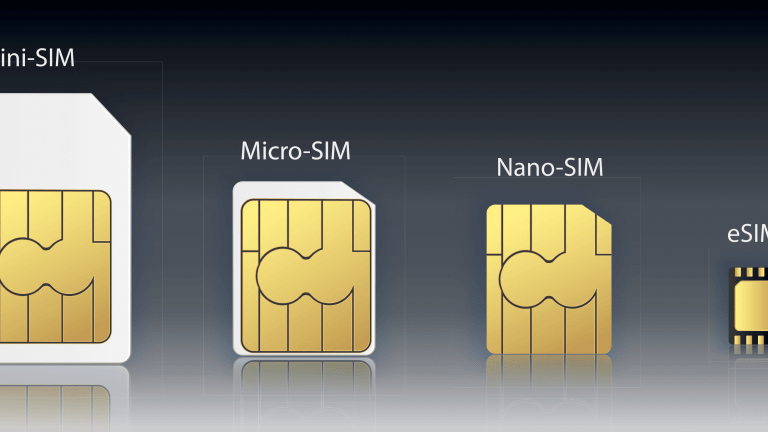
What Are Iot Sim Card IoT SIM cards
Moreover, the infrastructure required for each expertise varies considerably. Establishing a Wi-Fi network requires routers, access factors, and often, a strong backhaul connection to the internet. While LPWAN additionally wants gateways for its units to speak with the cloud, the deployment is less intensive and may cowl larger areas with fewer access factors. This factor simplifies the setup, especially in rural or less-developed areas.
Security additionally presents totally different challenges for each technologies (Iot Sim Card Australia). Wi-Fi networks, regardless of being extensively regarded, could be susceptible to a range of attacks, together with unauthorized entry and reduction of service quality by way of interference. Though fashionable encryption strategies assist mitigate these dangers, the problem stays pertinent.
Sim Card Iot Devices IoT SIM
LPWAN, while less targeted, isn't resistant to safety vulnerabilities. As a extra moderen know-how, the method to securing LPWAN networks is still evolving, which may current challenges for companies concerned about data integrity and confidentiality. A strong safety framework is crucial for each technologies to make sure seamless and safe IoT connectivity.
Another consideration is the potential for integration. Wi-Fi is versatile and supported by a plethora of units, making it straightforward to integrate into existing systems. This compatibility simplifies deployment for many businesses seeking to modernize their operations.
LPWAN, nonetheless, is gaining traction as a outcome of its distinctive choices, making it a viable various for specialized applications that require its particular functionalities. The integration of LPWAN into current systems is in all probability not as simple as Wi-Fi, but its advantages usually outweigh the preliminary hurdles.
Iot Machine To Machine Sim Card IoT SIM Cards Available Anyone
Cost can be a decisive factor for businesses evaluating their options. Setting up a complete Wi-Fi community can entail vital investment in hardware and infrastructure, especially for large-scale deployments. The maintenance costs can be a priority, given the need for ongoing support and upgrades to the devices used.
In distinction, LPWAN provides a less expensive solution in scenarios requiring intensive deployment over a large area. Its low power consumption means decreased operational costs, mainly if gadgets solely transmit small amounts of information occasionally.
Cheapest Iot Sim Card M2M IoT SIM Cards
Ultimately, the choice between Wi-Fi and LPWAN for IoT connectivity largely is dependent upon specific use cases and necessities. Wi-Fi is great for high-bandwidth purposes within short-range environments, whereas LPWAN stands out for long-range, low-power functions best for rural and remote setups.
In conclusion, each Wi-Fi and LPWAN have vital roles within the evolving IoT landscape. Understanding their capabilities, limitations, and use circumstances will enable companies and builders to make informed choices. By aligning technology with specific wants, organizations can harness the complete potential of IoT, making certain efficient and dependable connectivity for their devices.
- Wi-Fi presents high data switch rates, making it appropriate for purposes requiring real-time data streaming, whereas LPWAN focuses on long-range communication with minimal power consumption.
- LPWAN networks are designed for low-bandwidth applications, which is good for units that transmit small amounts of information infrequently, in contrast to Wi-Fi that helps heavier data masses.
- The range of LPWAN can lengthen a number of kilometers, making it excellent for rural deployments, whereas Wi-Fi sometimes operates effectively inside a limited vary, often constrained to constructing spaces.
- Compared to Wi-Fi, LPWAN operates on unlicensed frequency bands, which might lead to cost-effective deployment, whereas Wi-Fi might require adherence to particular laws and bandwidth allocation.
- Battery life for LPWAN gadgets can prolong to several years, catering to functions the place gadget maintenance is impractical, whereas Wi-Fi devices often require more frequent recharging or power supply.
- Security protocols differ, with Wi-Fi sometimes employing strong encryption methods fitted to high-speed networks, whereas LPWAN may prioritize less complicated approaches to accommodate lower processing capabilities in units.
- In areas with dense networks, Wi-Fi can expertise congestion, affecting performance, whereas LPWAN is designed to handle many units concurrently without important interference.
- Deployment costs might range, as setting up Wi-Fi networks can contain substantial infrastructure, whereas LPWAN options can usually be cheaper and faster to deploy.
- Scalability is a key benefit of LPWAN, enabling seamless addition of recent units over expansive areas and not utilizing a corresponding improve in infrastructure complexity seen with Wi-Fi.
- Wi-Fi usually requires user authentication and management of connections, whereas LPWAN simplifies gadget integration, making it simpler for thousands of units to attach effortlessly.
What is the first difference between Wi-Fi and LPWAN when it comes to range?
Global Iot Sim Card Global IoT SIM Cards Reliable Connectivity
Wi-Fi usually covers a smaller read here area, usually within a few hundred meters, relying on the environment. In contrast, LPWAN is designed for long-range communication, capable of reaching several kilometers, making it suitable for widespread IoT functions.
How does energy consumption examine between Wi-Fi and LPWAN for IoT devices?
4g Iot Sim Card Prepaid IoT SIMs Europe 10 SIM Bundle
Wi-Fi tends to consume more power as a result of greater information rates and steady communication requirements. LPWAN, then again, is optimized for low-power utilization, allowing units to final several years on small batteries, which is important for many IoT purposes.
What forms of IoT applications are greatest suited to Wi-Fi versus LPWAN?
Wi-Fi is right for functions requiring high knowledge throughput and low latency, like video streaming or real-time management. LPWAN suits purposes that change small amounts of knowledge sometimes, such as sensor monitoring or environmental monitoring, the place long battery life is a precedence.
Hologram Global Iot Sim Card IoT SIM Cards Explained Understanding Differences
Can Wi-Fi and LPWAN technologies coexist in an IoT deployment?
Yes, they will complement one another. Wi-Fi can handle high-bandwidth duties inside localized areas, while LPWAN can cowl distant locations for low-bandwidth, long-range communications, making a complete IoT ecosystem.
What are the security implications of utilizing Wi-Fi versus LPWAN?
Wi-Fi systems could be extra prone to hacking due to their extensive use and accessible nature. In contrast, LPWAN usually employs built-in security measures like encryption and authentication, making it extra resilient in opposition to unauthorized access, though correct implementation is crucial (Best Iot Sim Card).
What Are Iot Sim Card Reliable IoT SIM Cards Global Connectivity
How does the value of deployment compare between Wi-Fi and LPWAN?
Wi-Fi deployments may incur higher infrastructure costs because of the want for multiple entry factors to attain full protection. LPWAN is commonly cheaper for wide-ranging functions, because it requires fewer gateways and fewer maintenance over time.
What are the scalability concerns for Wi-Fi and LPWAN in IoT networks?
Wi-Fi networks can become congested with many devices, leading to reduced performance as the variety of connections will increase. LPWAN is designed to deal with 1000's of devices over vast areas without vital degradation in service, making it extra scalable for giant IoT deployments.
Buy Iot Sim Card IoT SIM card IoT M2M eSIMs
Which connectivity option is more reliable in urban versus rural environments?
In urban areas, Wi-Fi might face interference from quite a few gadgets and obstacles, affecting reliability. LPWAN great post to read typically performs better in each urban and rural settings, as it penetrates higher via structures and covers bigger distances, making certain a more steady connection.
Is there a big difference in information transfer pace between Wi-Fi and LPWAN?
Yes, Wi-Fi presents much higher information transfer charges, typically in the Mbps range, appropriate for high-bandwidth functions. LPWAN, nevertheless, focuses on lower bandwidth with speeds typically measured in kbps, sufficing for limited data transmission necessities in many IoT use circumstances.